
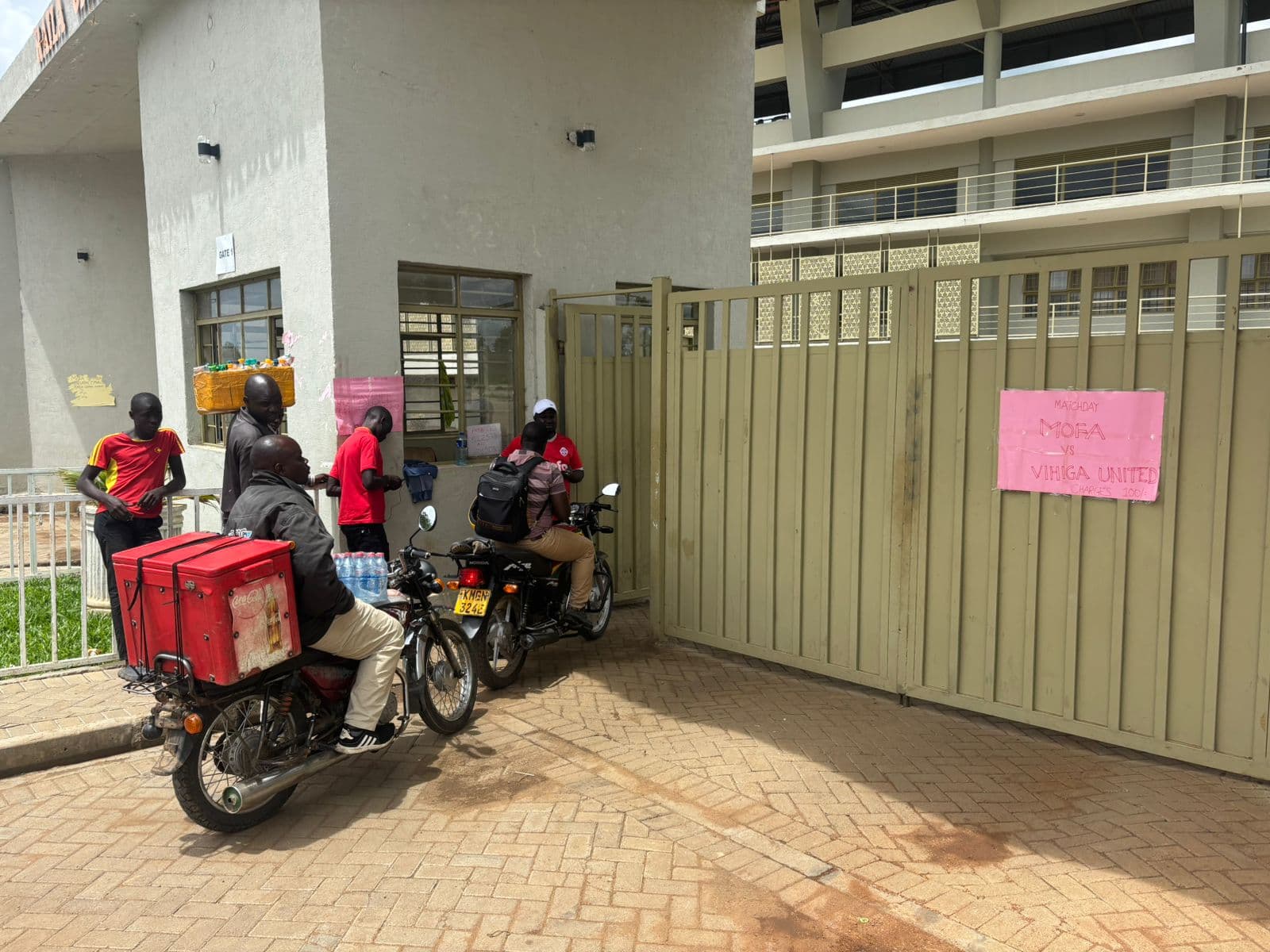
We had been powering MOFA FC's website and e-commerce store since October last year. The club had made a few sales through the platform — merchandise, mostly — and the setup was working. But we kept circling back to the same question: what if we could bring the matchday experience online?
That question led to a pivot. Instead of just running an online shop, we decided to build a ticketing product. Simple, mobile-first, and designed for a club that is just starting out.
The Approach
Most ticketing solutions in Kenya rely on dedicated ticket scanners or hardware at the gate. That works for bigger events, but for a club like MOFA, operating in the National Super League with modest crowds and tighter budgets, it felt like overkill.
So we built something lighter. Fans buy tickets online, receive a unique code, and verification happens through a mobile phone at the gate. No scanners. No special equipment. Just a phone and a web app.
The idea was deliberate. We wanted to prove that a football club could run digital ticketing without heavy infrastructure. If it works at this level, it scales.
The Journey to Homa Bay
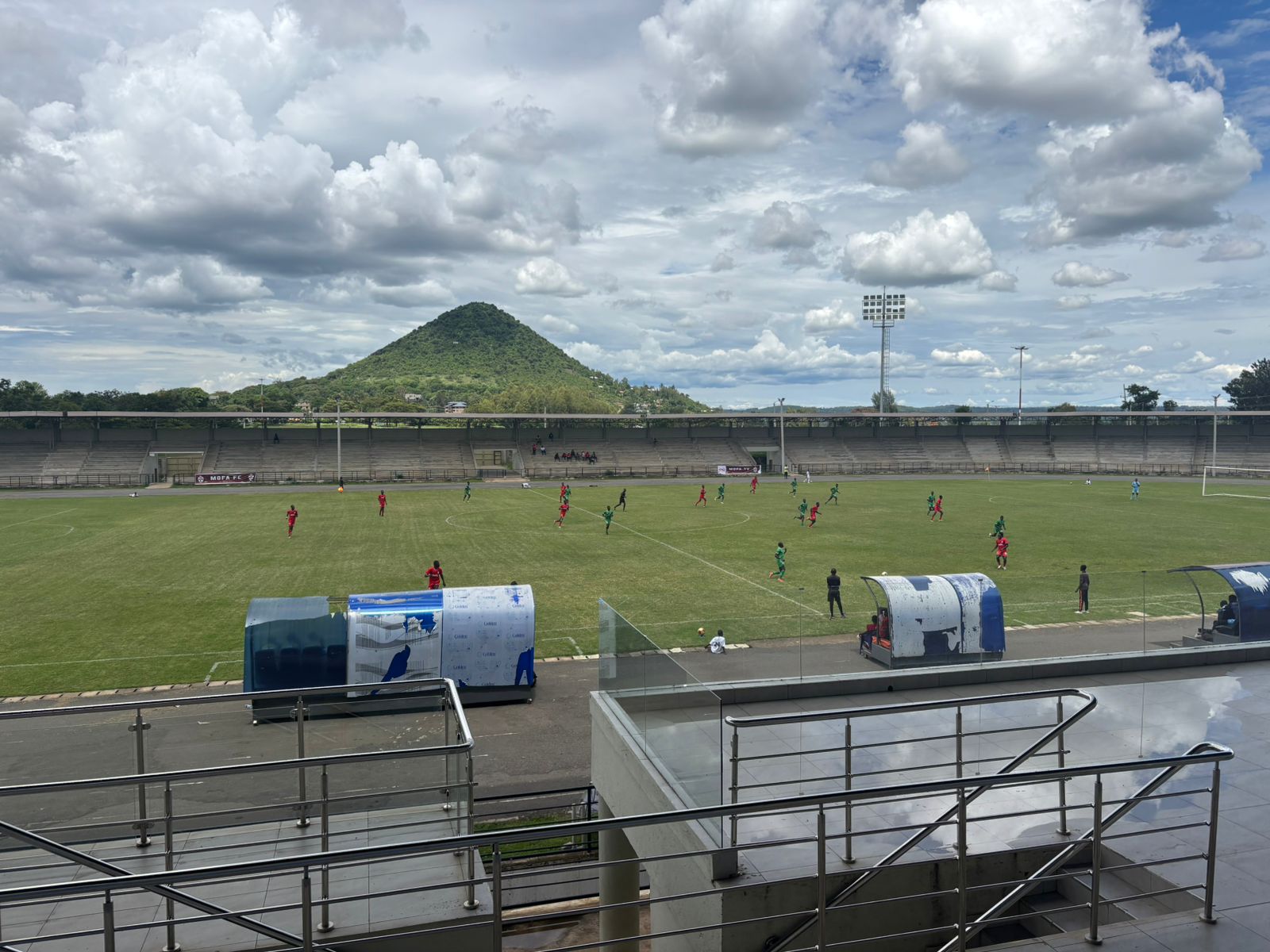
MOFA play their home matches in Homa Bay. If you have made that trip, you know it is not a short one.
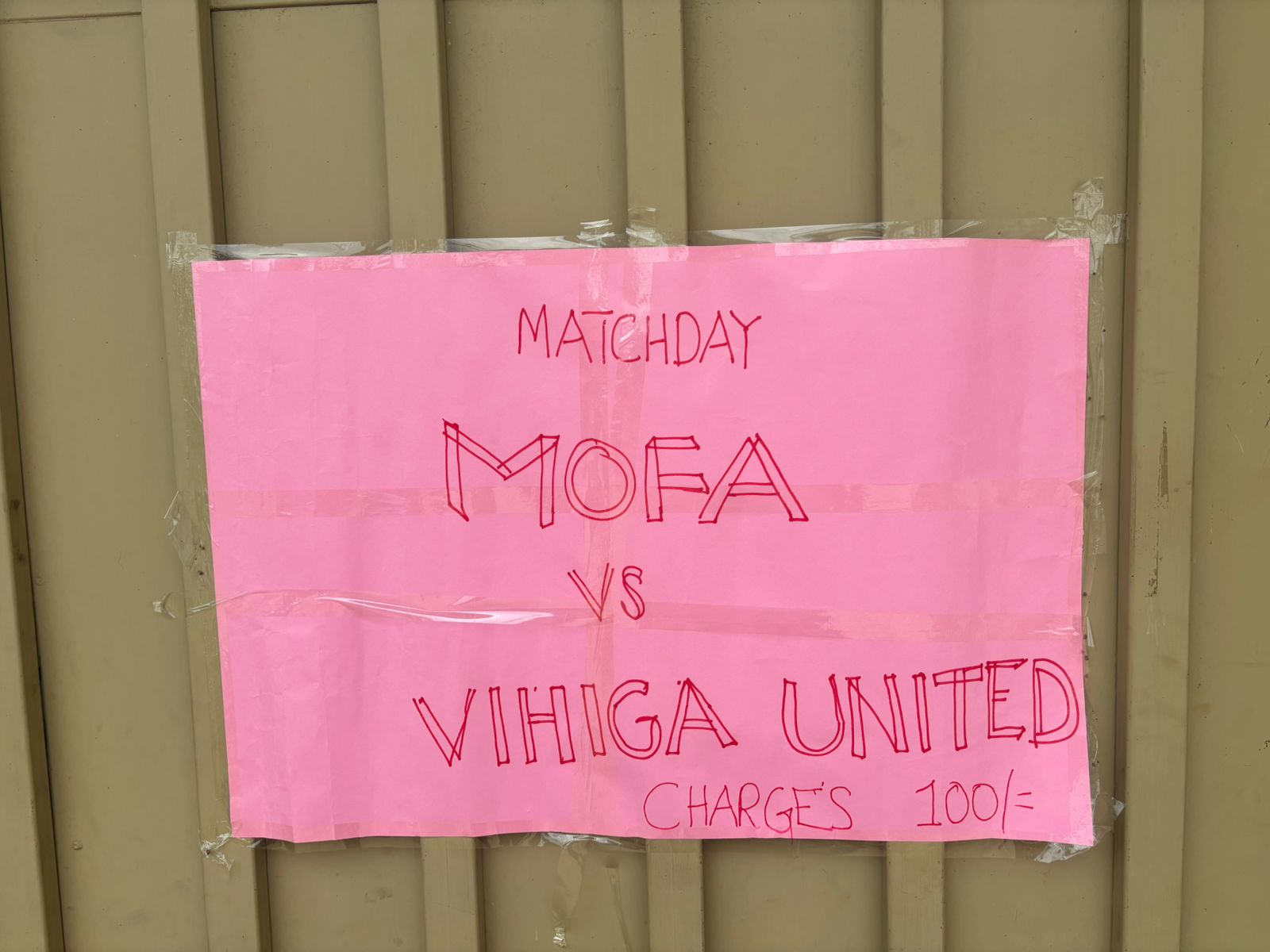
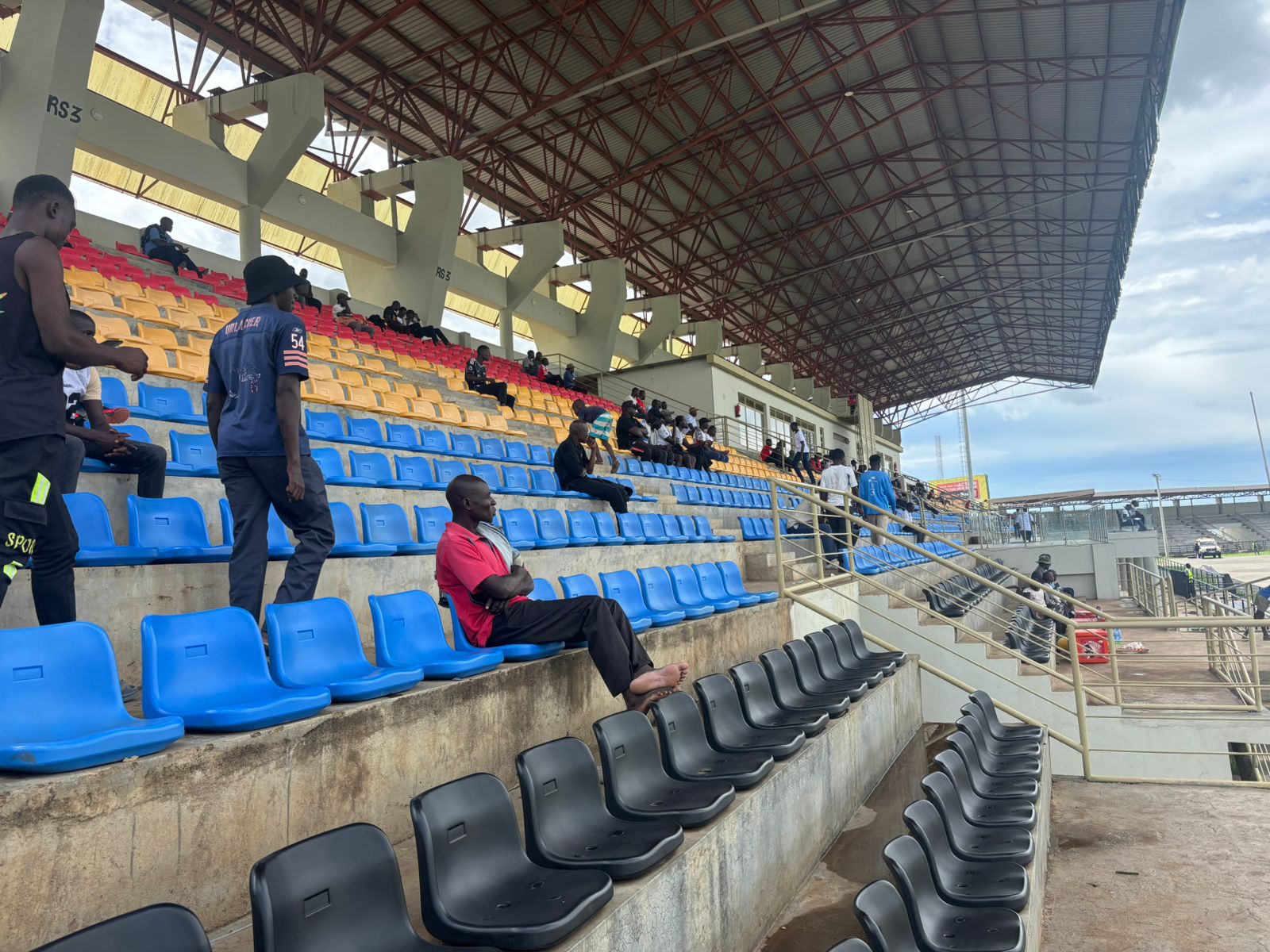
MOFA are not yet a household name. The crowd was modest, and online ticket sales reflected that. Most fans still paid cash at the gate. That was expected. Digital ticketing is a new concept in Kenyan club football, and habits do not change overnight.
But the fans who did buy online had a smooth experience. They walked in, showed their codes, and were verified in seconds. A few told us they appreciated not having to queue. For a first run, that felt like enough.
What We Learned
Plenty. First, marketing matters more than we gave it credit for. We should have started promoting online tickets weeks before the match, not days. Fans need time to trust a new process, especially when cash has worked for years.
Second, we hit a few technical hitches with the verification flow on matchday. Nothing catastrophic, but enough to remind us that real-world conditions — poor network, bright sunlight on phone screens, gate pressure — are very different from controlled testing.
Third, retention is everything. Getting a fan to buy once is good. Getting them to buy again is the real product. We are now working on follow-up mechanisms: email confirmations, reminders for the next fixture, and small rewards for repeat buyers.
Why This Matters
At Play360 Solutions, our goal is clear: to be the technology partner behind Kenya's top sports brands. But there is a deeper point here that I think many clubs are missing.
When a club outsources ticketing to a third party, the third party keeps the data. The club loses the ability to know who attended, how often they come, what else they might buy, or how to reach them before the next match.
What we have built with MOFA is different. The club owns the data. Every purchase, every verified entry, every email address — it belongs to MOFA. That data is what enables a club to upsell merchandise, offer matchday add-ons, send targeted communications, and genuinely engage their fanbase beyond ninety minutes.
Most top Kenyan clubs do not have this. They run matches but have no direct relationship with the people who show up. We want to change that, one club at a time.
Homa Bay was just the beginning.